



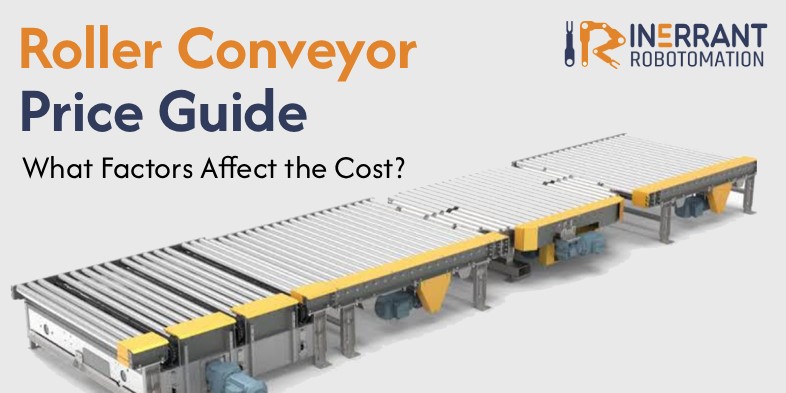
Roller conveyors are widely used in manufacturing, warehousing, logistics, and packaging industries to move materials quickly and efficiently. If you are planning to invest in a roller conveyor system, one of the first questions that come to mind is: “How much does it cost?”
The truth is, roller conveyor pricing is not fixed. It varies depending on several technical, structural, and operational factors. In this guide, we break down the key elements that affect roller conveyor cost so you can make a smart and budget-friendly decision.
The biggest factor affecting price is the type of conveyor system.
Gravity Roller ConveyorsThese conveyors use slope or manual force to move materials. They do not require electricity or motors.
These systems use motors, belts, chains, or driven rollers to move products automatically.
Powered conveyors can cost 2 to 5 times more than gravity systems.
The material used in rollers and frames greatly affects price and performance.
Higher-grade materials increase durability but also increase cost.
Size plays a direct role in pricing.
Simply put: bigger conveyor = higher cost
The weight your conveyor must handle affects its design and price.
Higher load capacity requires:
Roller configuration also impacts cost.
Proper design ensures smooth and safe material movement.
Different drive systems come with different price levels:
More automation = higher investment.
Standard conveyors are cheaper than customized systems.
Extra features increase cost, such as:
The more customized the system, the higher the engineering cost.
Installation is another important cost factor.
Costs may increase due to:
Sometimes installation cost is separate from equipment cost.
Buying multiple conveyor units or modular systems can reduce cost per unit.
Brand reputation and quality standards also affect pricing.
Cheaper systems may save money initially but cost more in long-term maintenance.
Although exact pricing depends on specifications, here is a rough estimate:
Roller conveyor pricing depends on many factors such as type, material, size, load capacity, and level of automation. Understanding these factors helps you choose the right system and avoid unnecessary costs.
Instead of focusing only on price, it is important to consider performance, durability, and long-term efficiency.
If you are planning to upgrade your material handling system, choosing the right conveyor setup is crucial for efficiency and productivity. A well-designed system can significantly improve workflow and reduce operational costs.
Contact a trusted conveyor manufacturer at Inerrant Robotomation Pvt. Ltd., to get a customized quote based on your requirements.
Looking for reliable roller conveyor systems or advanced industrial automation solutions? We provide high-quality conveyor systems designed to improve efficiency, speed, and productivity in your operations.
Whether you need a gravity roller conveyor, powered conveyor system, or a fully intelligent automated material handling solution, our team can help you choose the right setup based on your requirements.
We specialize in:Our experts are ready to help you with:
Contact us now to discuss your roller conveyor requirements and get a customized automation solution for your business.
Let’s build a smarter, faster, and more efficient production line together.
Roller conveyor price depends on type (gravity or powered), material, size, load capacity, drive system, and customization features.
Gravity roller conveyors are cheaper because they do not use motors or electrical components. Powered conveyors are more expensive but offer automation and higher efficiency.
Common materials include mild steel, stainless steel, aluminum, and plastic rollers. Stainless steel is used in food and pharma industries, while mild steel is widely used in general industries.
Yes, roller conveyors can be customized with curves, sensors, side guards, speed controls, and integration with automation systems.
Yes, installation, electrical work, and system integration can significantly increase the total project cost depending on site conditions.